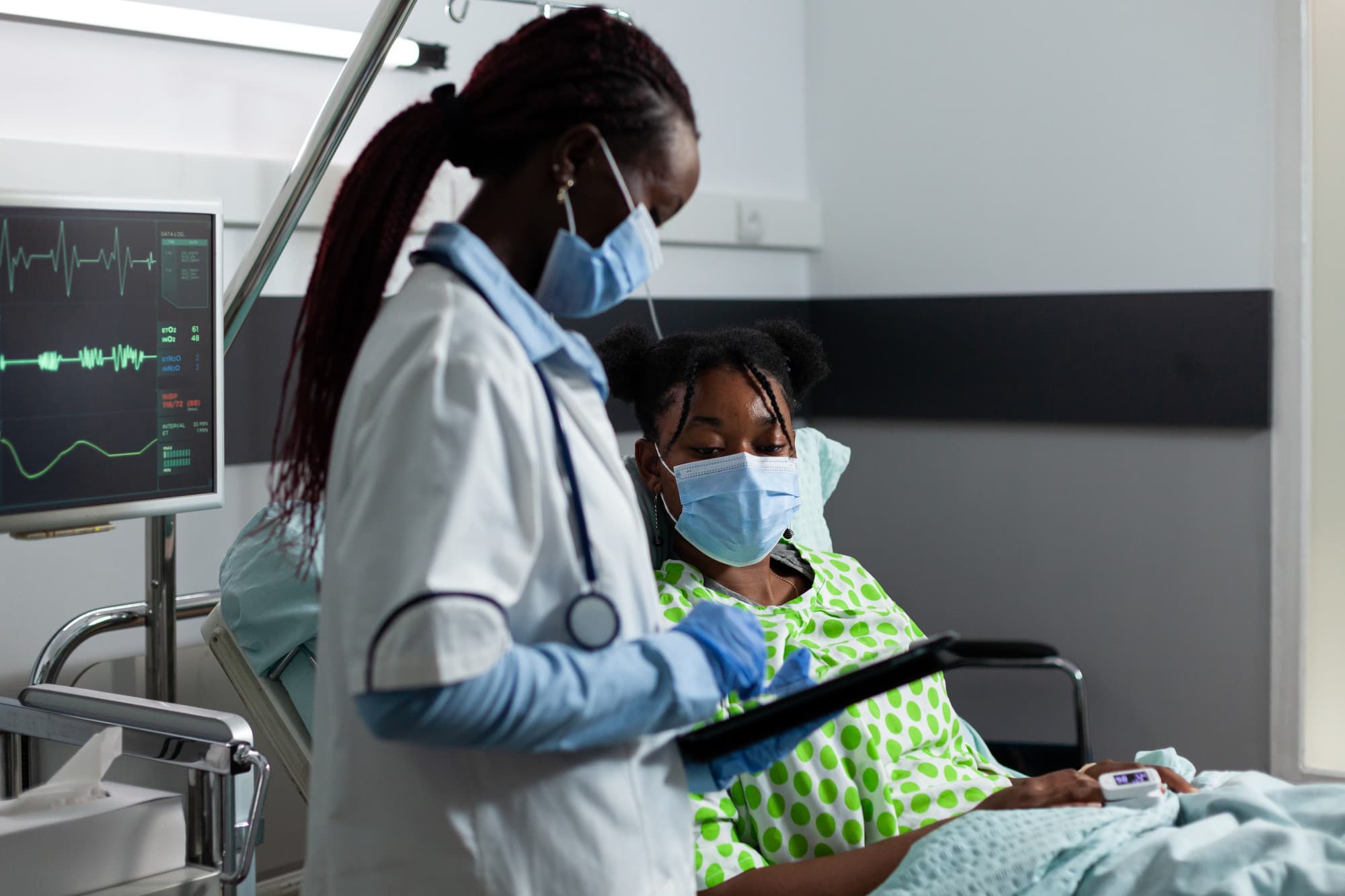
In Benin, facing unexpected medical expenses can be a real financial challenge for families. Expensive hospitalization or medical examinations risk disrupting the budget if you are not prepared. This is where thehealth insurance, a mechanism of social protection which covers all or part of health expenses. Adopted within the framework of social security, health insurance aims to offer everyone a health coverage and access to care without major financial difficulties. In this article, we clearly explain to you how health insurance works in Benin, how to benefit from it and what advantages it offers to policyholders.
What is health insurance in Benin None
Health insurance is a system in which members (called insured) contribute regularly in order to benefit from the coverage of their health care. Concretely, this means that if you fall ill or have an accident, your insurance will cover a large part of your costs. medical expenses (consultations, analyses, medications, etc.), according to a defined “care basket”. In Benin, theinsurance illness is an integral part of the system of social security and of social protection. It is part of the desire to achieve the universal health coverage, that is to say, to guarantee that every Beninese citizen can access quality care without cost being an obstacle.
Historically, health insurance in Benin has gone through several stages. A Universal Health Insurance Scheme (RAMU) was launched in 2012 by the Ministry of Health. However, this initial diet was optional and many people did not adhere to it. To strengthen the protection of the population, the government then created the project in 2018 ARCH (Insurance for the Strengthening of Human Capital), a major component of which is devoted to health insurance for the most vulnerable. The stated objective is to gradually extend health coverage to all Beninese people, starting with low-income populations.
This approach resulted in a law making health insurance mandatory for all residents of Benin from January 1, 2023. In other words, each person living in Benin territory must now be affiliated to health insurance, whether public or private, in order to benefit from at least a basic care package.
How Beninese health insurance works None
The operation of health insurance in Benin is based on a partnership between the State, employers, and the policyholders themselves. Here are the main points of its organization:
A contributory and compulsory scheme
Each insured person or their employer pays a contribution to finance the system. The amount of this contribution remains deliberately affordable – for example, the standard rate has been set at 9 000 FCFA per year for a child and 16 000 FCFA per year for an adult (i.e. less than 1 000 FCFA per month for children and approximately 1 500 FCFA per month for adults). In exchange, the insured obtains a health coverage for a range of essential care.
Role of the State and public bodies
The Beninese state plays a central role in subsidizing insurance for vulnerable populations. According to the 2023 implementing decree, the State fully or partially covers the contributions for several categories of people, notably civil servants and public agents (as well as their spouses and dependent children), students receiving scholarships, retirees with very low incomes and especially identified poor households. This measure ensures that even the most deprived benefit from health protection without having to pay for it themselves.
The system is managed by public organizations such as the National Social Protection Agency (ANPS), which supervises universal health insurance in Benin. Historically, the National Social Security Fund (CNSS) already offered health coverage to salaried workers in the formal sector (for example, the CNSS reimburses up to 80 % of medical costs of affiliated retirees). With the current reform, the ANPS and the structures linked to the ARCH project take charge of managing coverage for the entire population, integrating both self-employed workers and workers in the informal and rural sector.
Private sector involvement
Compulsory health insurance does not only concern the public sector. Private sector employers are legally required to take out insurance for their employees covering at least the basic basket of care. This means that if you work in a private company in Benin, your employer must enroll you in health insurance (generally via an insurance company or an approved mutual insurance company) and contribute for you. In practice, the company covers part of the insurance premium (at least 80 % of the contribution, according to the law) for you and your beneficiaries. For their part, self-employed workers and people without an employer must join themselves to the health insurance plan by paying the required annual contribution.
Choice of insurer (public or private)
Benin has adopted an open model where universal health insurance can be managed either by the public system or by approved private insurers. According to the regulations, each resident can subscribe either to the National Social Protection Agency (or the designated public body) or to an approved private insurance company by the state. The important thing is that the insurer (public or private) offers at least the basic care basket common defined by the authorities. This basic basket includes the most essential and frequent health services, in order to offer standard protection to all policyholders. For example, it covers medical consultations, essential medications, laboratory analyses, care for common illnesses, and even certain more serious care such as emergency care or emergency hospitalizations without waiting time. The government has taken care to harmonize costs and benefits so that this basic level of care is accessible to all budgets.
Management and recent reform
In order to effectively operationalize this vast health insurance program for all, the government recently called on the expertise of the private sector. In October 2024, the Council of Ministers authorized the contractualization of the operational management of universal health insurance with a specialized structure, under the supervision of the ANPS. The selected organization will have the mission of managing policyholder memberships, issuing invoices and ensuring reimbursement of care, all by implementing a fully digitalized process for greater speed and transparency. According to the contract, the Social Protection Agency and its partner have 6 months to set up and really launch activities throughout the territory. This effort follows a successful pilot phase (2018-2020) which was led by the National Health Insurance Agency (ANAM) and which made it possible to refine the model. It is now a matter of scaling up to reach the universal health coverage effective in the country.
Read also: Understanding everything about travel insurance: Complete guide 2025
Steps to follow to join health insurance
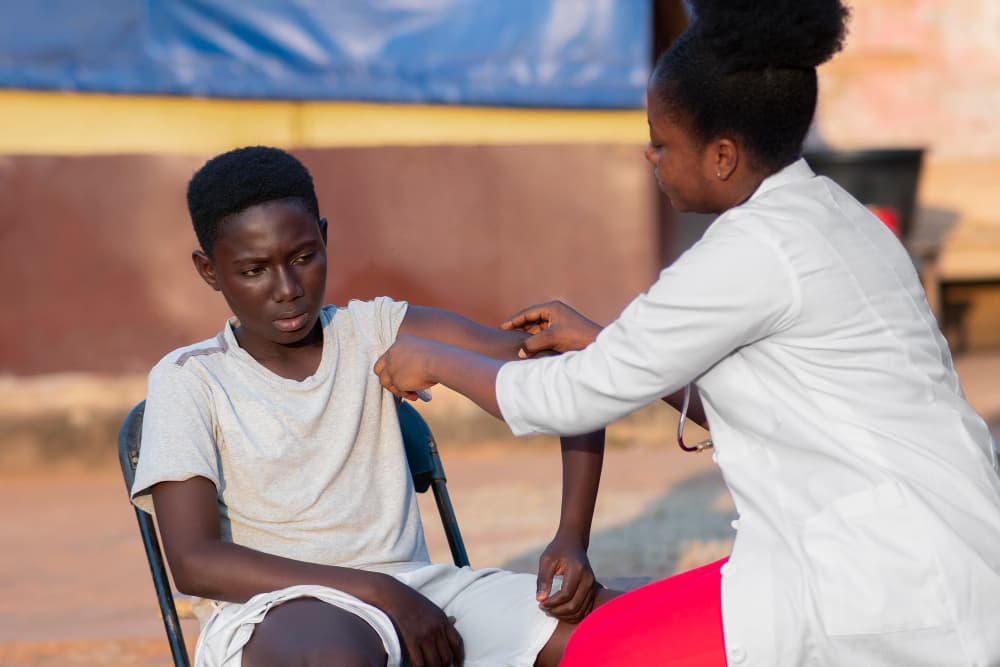
You are probably wondering how to actually benefit from health insurance in Benin. The procedures vary slightly depending on your situation (public employee, private sector employee, self-employed, student, etc.), but here are the general steps to join:
Obtain your identification documents : The very first step is to have the required identification documents. To register for national health insurance (notably within the framework of the ARCH project), it is necessary to have a biometric national identity card issued by the National Agency for the Identification of Persons (ANIP). This biometric identity document allows you to register in the system and issue your insurance card. If you don't have it yet, contact the ANIP enrollment centers to obtain it.
Affiliation with the competent body : Then, you must register with the health insurance structure. If you are a civil servant or public sector agent, your affiliation is done via your administration (with the intervention of the CNSS or the ANPS depending on the case). If you are employed in the private sector, it is your employer who will be responsible for registering you with an approved insurance company or a mutual health insurance covering basic care. For self-employed workers, artisans, farmers, traders and others without a formal employer, you must take the process yourself. Concretely, this will involve introducing you to a check-in counter (for example, an ANPS agency or a designated center in your municipality) to complete the membership form. You will need to provide your personal information, a copy of your biometric identity document, and possibly information on your beneficiaries (spouse, children) so that they are also covered. Once your file has been validated and your contribution paid, you will be issued a insurance card. This health insurance card, equipped with a chip or code, certifies that you are well covered. NB: When you join, make sure you are up to date with your annual subscription payment, as the validity of the card depends on it (it is generally valid for one year, renewable each year upon payment of the subscription).
Respect the waiting period : In some cases, a small waiting period may apply before being able to benefit from the services, especially when registering for the first time. For example, the RAMU (the old regime) provided for a period of 2 months after initial membership. This means that you must wait until the end of this period for the insurance to begin to reimburse your care, except for life-threatening emergencies. Find out when you join about the possible waiting period under the current regime – it is possible that the new provisions will make cover almost immediate, particularly for people already identified as vulnerable.
Access care with your insurance : Once affiliated and with your insurance card, you can go to health centers, hospitals or pharmacies approved (i.e. approved by the insurance plan) to receive care. Show your insurance card when consulting or purchasing medication. The healthcare staff will check your right to insurance and provide you with coverage. Depending on the organization, two scenarios may arise. : either you will have almost nothing to advance (the caregiver will be reimbursed directly by the insurer for the part covered), or you will pay a reduced part of the bill and the insurer will then reimburse you for the covered portion. For example, if a prescription costs 10 000 FCFA and your insurance covers 70 %, you will only pay 3 000 FCFA and the rest will be paid by insurance. As part of the ARCH project, the most deprived policyholders even benefit from completely free insurance. basic care basket in public health centers thanks to their ARCH biometric card. This means that for consultations, essential medications, standard laboratory tests and other basic procedures, they do not have to pay anything – the insurance covers 100 % of the cost on this predefined basket.
Renewal and updating : Consider renewing your membership each year by paying the annual contribution if you are not supported by an employer or the State. In the event of a change in situation (for example, new job, move, change of marital status, birth of a child to add as a beneficiary), inform your insurer or the ANPS to update your information. The Beninese health insurance system is being modernized with computerization, which will increasingly facilitate these monitoring procedures.
What are the advantages for policyholders? None
Subscribing to health insurance has many advantages for policyholders and their families. Here are the main benefits of such coverage None
Facilitated access to health care
Health insurance guarantees you health coverage Basic, which means you can see a doctor, have tests or go to the hospital without worrying about paying the entire bill. By being insured, you are more inclined to seek treatment at the first symptoms, instead of postponing a medical visit for financial reasons. This allows illnesses to be treated earlier and costly complications to be avoided.
Reduction of health expenses and reimbursement of care
With insurance, a large part of medical expenses are supported by the system. For example, consultations, medications on the insurance list, laboratory tests, essential ultrasounds or x-rays are covered according to the scale provided. If you have to be hospitalized, the insurance will cover a significant portion of the hospitalization costs (room, surgery, nursing care).
In certain cases, particularly in public structures, support can go up to 80-100 % of the cost if you respect the agreed care pathway. This partial or total coverage functions as reimbursement for care : either you only pay a co-payment (a small part) and the insurance pays the rest directly to the hospital/pharmacy, or you pay and are then reimbursed. In any case, your out-of-pocket expenses are greatly reduced thanks to insurance.
Protection in the event of hospitalization or serious illness
No one is safe from an accident or serious illness requiring expensive care (surgery, complicated childbirth, dialysis, etc.). Health insurance then plays a role as a safety net by preventing these events from ruining you. For example, an emergency cesarean section or prolonged hospitalization can cost several hundred thousand FCFA ; with insurance, these costs will be largely covered, preventing you from going into debt or foregoing care. For the poorest, the ARCH regime even provides for free certain vital services (such as cesarean section, via the free cesarean section managed by the ANGC). In addition, the presence of an ambulance in the basket of services covered means that the transport of a seriously ill person to a hospital can be covered, a significant asset in the event of an emergency.
Financial stability and serenity
Being insured means gaining peace of mind. You know that your unexpected health expenses are partly anticipated. Each month, through your contribution or that of your employer, you build up a sort of pooled savings for health. So, the day a health problem arises, it’s not just your wallet that has to deal with it, but a “ collective fund » supplied by all policyholders. This protects your family budget from financial shocks related to illness. In other words, health insurance prevents hospitalization from turning into a financial disaster. It is a pillar of social protection which contributes to reducing poverty linked to health expenditure.
Promotion of prevention and public health
Indirectly, the existence of health coverage encourages prevention campaigns (vaccinations, screenings, pregnancy monitoring, etc.). As compulsory vaccinations are part of the covered procedures, parents have every interest in having their children vaccinated on time. Likewise, insured pregnant women can benefit from prenatal consultations and assisted delivery in a medical setting without prohibitive costs, which improves maternal and child health indicators. In this sense, health insurance not only benefits each individual, but also the health of the community as a whole, by promoting the use of preventive and curative health services.
In summary, being insured means getting better care, at the right time, and without getting poorer. It's a real national solidarity mutual where everyone contributes according to their means (directly or via the State/employer) and where everyone receives according to their health needs.
Read also: Car insurance in Benin: everything you need to know
Up-to-date data, current coverage and recent reforms
The deployment of health insurance in Benin is underway and gaining momentum. Here are some key figures and facts to better understand the current situation:
Current coverage
Although health insurance is now a right for everyone, its operationalization is progressive. At the end of the pilot phase of the ARCH project and the first enrollment campaigns, more than 500 000 vulnerable Beninese have already been enrolled and have an ARCH biometric health insurance card. These policyholders (mainly people in situations of extreme poverty identified throughout the country) benefit from free of charge from the basic healthcare basket in public health centers thanks to the state subsidy.
This figure of 500 000 people covered is still modest compared to the total population (around 4% of the 12 million Beninese), but it is increasing regularly as the program expands. Furthermore, if we add salaried workers in the formal sector who were already covered via the CNSS or company insurance, as well as voluntary members of mutual insurance companies, the total number of people with health coverage is higher. The government's objective is to increase this coverage rate nationally in the coming years, in order to achieve real universal health coverageNone
Financing and accessibility
The Beninese authorities have ensured that the cost of insurance is not a barrier for the population. As indicated above, the standard annual contribution has been set at 16 000 FCFA per adult and 9 000 FCFA per child, amounts designed to be within reach of all budgets. For formal workers, these contributions are generally deducted at source (employee share) and supplemented by the employer (employer share), according to defined rates. For informal workers and the self-employed, these amounts can be paid directly at membership counters or via secure mobile platforms when this is put in place.
Above all, let us remember that large sections of the population are exempt or helped : the poorest pay nothing (the State pays for them), and other groups see their premium subsidized by 40%, 50% or even 100% depending on the case. Funding for the system comes from a mixture of contributions (employer and policyholder contributions) and public resources (state budget, community support, even technical and financial partners). This national solidarity guarantees the viability of the system while maintaining free or almost free access for the most vulnerable citizens.
Recent legal reforms
The legal framework for health insurance has been strengthened in recent years. Law n°2020-37 of February 3, 2021, amended by law n°2022-17 passed on October 4, 2022, established theCompulsory Universal Health Insurance for all Beninese residents. This law and its implementing decrees (in particular Decree No. 2023-327 of June 21, 2023) detail the implementation methods: obligation for each person to take out insurance either via the ANPS (or the designated public structure) or via an approved private insurer, obligation for employers to contribute for their employees, and financial participation from the State for specific categories. Clearly, since January 2023, no one should be without health coverage in Benin – this is a major step forward in social policy.
Operational implementation
On a practical level, the year 2023 was dedicated to laying the administrative and technical foundations of this vast project. The National Social Protection Agency, created to regulate and manage all social benefits (including health insurance), took over from ANAM in order to centralize the management of the system. Faced with the scale of the task, the government decided at the end of 2024 to rely on an experienced company to manage universal health insurance on a daily basis.
This public-private partnership should make it possible to accelerate the enrollment of citizens, deploy a national IT system to monitor policyholders, and ensure the rapid reimbursement of healthcare providers. The stated objective is that by mid-2025, health insurance is fully functional throughout the territory, with health centers connected to the system and digitalized claims management.
This ongoing modernization goes hand in hand with public awareness campaigns on the importance of taking out insurance and the steps to follow. Expect to see more and more communications (radio, TV, local meetings) on the subject of health coverage and the social security in Benin, so that everyone can take ownership of the system.
Official figures to remember
To summarize some key data None about 500 000 Very poor Beninese covered free of charge from the end of 2022 to the beginning of 2023; prices of 9 000 FCFA/year (child) and 16 000 FCFA/year (adult) for the standard premium; effective date of the insurance obligation : January 1, 2023; deadline announced for the complete operational implementation : 6 months from the end of October 2024; And state commitment to take care of the most deprived 100%. These figures demonstrate Benin’s ambition in terms of social protection and health for all.
To finish...!
Health insurance in Benin presents itself as a powerful lever of social progress. By pooling resources and risks, it ensures that every Beninese, rich or poor, urban or rural, can seek treatment in a timely manner without falling into financial insecurity. The path towards effective universal coverage is underway, with its share of logistical and organizational challenges, but the momentum is underway. As a citizen, it is important to obtain information, to join if you have not already done so, and to encourage those close to you to do the same. A good health coverage benefits each of us individually, and strengthens the national solidarity. Let us not forget that health is our most precious asset – with health insurance, let us protect it calmly and build a healthier Benin together.